
Crack Cocaine in Canada: Effects, Risks, Addiction, Treatment, and More
Crack Cocaine in Canada is a powerful stimulant drug that poses significant health, social, and legal risks. Although it is chemically related to powdered cocaine, crack cocaine differs in its form, typical route of administration, and how quickly its effects are experienced. Buy Crack Cocaine in Canada is classified as a Schedule I controlled substance under the Controlled Drugs and Substances Act (CDSA), making its unauthorized possession, trafficking, production, importation, and exportation illegal.
This guide provides an evidence-based overview of crack cocaine, including its properties, effects, health risks, addiction potential, treatment options, legal status, and public health considerations within the Canadian context.
What Is Crack Cocaine?
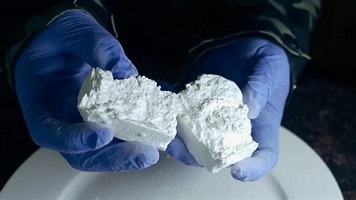
Crack cocaine is the freebase form of cocaine. Unlike cocaine hydrochloride (commonly known as powder cocaine), crack cocaine is typically processed into solid rocks that are smoked. Smoking allows the drug to enter the bloodstream rapidly through the lungs, producing an intense but relatively short-lived stimulant effect.
Crack cocaine acts on the central nervous system by increasing levels of dopamine, norepinephrine, and serotonin—chemical messengers involved in reward, motivation, mood, and alertness. The rapid increase in dopamine is largely responsible for the intense feelings of euphoria associated with the drug and contributes to its high potential for dependence.
Short-Term Effects
The effects of crack cocaine can vary depending on the amount used, individual health, frequency of use, and whether other substances are involved.
Common short-term effects include:

- Intense euphoria
- Increased energy
- Heightened alertness
- Elevated confidence
- Talkativeness
- Reduced appetite
- Increased heart rate
- Elevated blood pressure
- Dilated pupils
Not everyone experiences pleasant effects. Some individuals may develop unwanted symptoms such as:
- Anxiety
- Panic attacks
- Agitation
- Irritability
- Aggression
- Restlessness
- Paranoia
- Confusion
Because the effects are relatively short-lived, some people may use the drug repeatedly over a short period, increasing the risk of adverse effects and dependence.
Long-Term Health Risks
Repeated or prolonged crack cocaine use can affect multiple body systems.
Cardiovascular Risks
Crack cocaine places significant stress on the heart and blood vessels. Long-term use has been associated with:
- High blood pressure
- Irregular heart rhythms
- Heart attack
- Stroke
- Cardiomyopathy (damage to the heart muscle)
These complications may occur even in younger individuals without a history of cardiovascular disease.
Mental Health Effects
Long-term use may increase the risk of:
- Anxiety disorders
- Depression
- Mood disturbances
- Hallucinations
- Stimulant-induced psychosis
- Persistent paranoia
Mental health outcomes vary among individuals and are influenced by numerous biological, psychological, and environmental factors.
Respiratory Effects
Because crack cocaine is commonly smoked, repeated use may contribute to:
- Chronic cough
- Lung irritation
- Wheezing
- Airway inflammation
- Reduced lung function
Addiction and Dependence
Crack cocaine has a high potential to cause substance use disorder.
Its rapid onset and short duration can reinforce repeated use, leading to powerful psychological cravings. Over time, some individuals develop tolerance, meaning larger or more frequent doses may be needed to achieve similar effects.
Possible signs of problematic use include:
- Strong cravings
- Difficulty reducing or stopping use
- Spending excessive time obtaining or using the drug
- Continuing to use despite health, financial, legal, or relationship problems
- Neglecting work, school, or family responsibilities
Substance use disorder exists on a spectrum and varies in severity. Early recognition and treatment can improve outcomes.
Withdrawal
Although stimulant withdrawal is generally not associated with the life-threatening physical symptoms seen with some other substances, it can still be physically and emotionally challenging.
Common withdrawal symptoms may include:
- Fatigue
- Increased sleep
- Depression
- Anxiety
- Irritability
- Difficulty concentrating
- Increased appetite
- Strong cravings
Withdrawal experiences differ from person to person depending on factors such as duration of use, frequency, overall health, and co-occurring mental health conditions.
Overdose and Medical Emergencies
Crack cocaine can cause life-threatening medical emergencies.
Potential signs include:
- Severe chest pain
- Difficulty breathing
- Very high body temperature
- Seizures
- Extreme agitation
- Loss of consciousness
- Stroke-like symptoms
In Canada, another significant concern is the unpredictable nature of the unregulated drug supply. Cocaine products may be contaminated with substances such as fentanyl for sale in Ontario or other potent synthetic drugs, increasing the risk of overdose.
Anyone experiencing symptoms of overdose should receive immediate emergency medical attention.
Purchasing Crack Cocaine for sale in Canada
There is no legal recreational or commercial market for Crack Cocaine for sale in Canada.
Crack cocaine is obtained through the unregulated illicit drug market, where the composition, purity, and potency of products are unknown. Products sold as crack cocaine may contain adulterants, contaminants, or entirely different substances than expected.
This unpredictability increases the risk of poisoning, overdose, and other serious health complications.
From both a legal and public health perspective, purchasing Crack Cocaine for sale in Canada carries significant risks beyond the effects of the drug itself.
Selling Buy Crack Cocaine online in Canada
The sale of Buy Crack Cocaine online in Canada is illegal throughout.
Under the Controlled Drugs and Substances Act (CDSA), trafficking offences may include:
- Selling
- Giving
- Delivering
- Transporting for distribution
- Offering to sell
- Distributing without payment
Trafficking offences are generally treated more seriously than simple possession because they involve supplying controlled substances to others.
Sentencing depends on numerous factors, including the quantity involved, the individual’s role, previous criminal history, and the specific circumstances of the offence.
This information is provided for educational purposes only and should not be interpreted as legal advice.
Harm Reduction
While the safest way to avoid drug-related harms is not to use illicit substances, harm reduction recognizes that some individuals continue to use drugs and aims to reduce preventable injury and death.
Examples of harm reduction strategies include:
- Avoiding using alone whenever possible
- Carrying naloxone because stimulant products may be contaminated with opioids such as fentanyl
- Accessing drug checking services where available
- Avoiding mixing cocaine with alcohol or other drugs, which may increase health risks
- Seeking emergency care if symptoms such as chest pain, seizures, or difficulty breathing occur
Harm reduction complements prevention, treatment, and recovery services.
Treatment Options in Canada
Recovery from crack cocaine dependence is possible, and a range of evidence-informed treatment options are available across Canada.
Treatment plans may include:
- Assessment by a healthcare professional
- Individual counselling
- Cognitive behavioural therapy (CBT)
- Contingency management
- Outpatient addiction treatment
- Residential treatment programs
- Peer support groups
- Mental health services for co-occurring conditions
There are currently no medications specifically approved to treat cocaine addiction, but healthcare providers may recommend therapies tailored to an individual’s needs and address related mental health conditions.
Individuals seeking support can begin by speaking with a family physician, addiction medicine specialist, community health centre, or provincial addiction services.
Frequently Asked Questions
Is crack cocaine legal in Canada?
No. Crack cocaine is a Schedule I controlled substance under the Controlled Drugs and Substances Act. Unauthorized possession, trafficking, production, importation, and exportation are illegal.
Is crack cocaine more addictive than powder cocaine?
Both forms contain cocaine and have a high potential for addiction. Because crack cocaine is typically smoked and reaches the brain very quickly, it may produce a more rapid and intense effect, which can increase its reinforcing properties.
Can buy Crack Cocaine in Canada cocaine cause overdose?
Yes. buy Crack Cocaine in Canada can cause life-threatening medical emergencies, including heart attack, stroke, seizures, and severe stimulant toxicity. The risk may be further increased by contamination with other substances in the unregulated drug supply.
Can addiction be treated?
Yes. Many people benefit from counselling, behavioural therapies, peer support, and comprehensive addiction treatment services. Recovery looks different for everyone, and treatment plans are often individualized.
| Quantity: | 5g…$250, 10g…$400, 20g…$700, 50g…$1500, 100g…$2500, 500g…$7500 |
|---|
Be the first to review “Crack cocaine”
Related products
Uncategorized
Uncategorized
Uncategorized
Reviews
There are no reviews yet.