Methamphetamine (Crystal Meth) : Effects, Risks, Addiction, Treatment, and More
Methamphetamine, commonly known as crystal meth, is a powerful synthetic central nervous system stimulant. It produces long-lasting stimulant effects by increasing the release of dopamine, norepinephrine, and serotonin while also blocking their reuptake. These actions can lead to intense feelings of alertness and euphoria but also place significant stress on the brain, heart, and other organs.
In Canada, methamphetamine or Crystal Meth for sale in Canada is classified as a controlled substance under the Controlled Drugs and Substances Act (CDSA). Unauthorized possession, production, trafficking, importation, exportation, and this research chemicals for sale are illegal.
We provides evidence-based information about Methamphetamine in Canada, including its pharmacology, effects, health risks, addiction potential, withdrawal symptoms, treatment options, harm reduction principles, and the Canadian legal framework.
What Is Methamphetamine?
Methamphetamine is a synthetic stimulant belonging to the amphetamine class of drugs. It was originally developed for medical purposes and, in some countries, limited prescription forms still exist for specific conditions under strict medical supervision. However, most methamphetamine encountered in Canada is produced illegally and is not manufactured according to pharmaceutical quality standards.
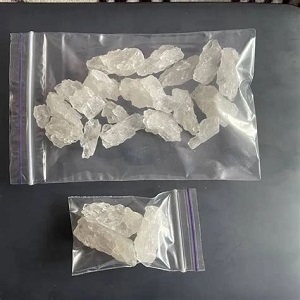
Crystal meth refers to the crystalline form of methamphetamine hydrochloride and is often associated with high purity in illicit markets, although the actual purity and composition of illegal products are highly unpredictable.
Methamphetamine may be swallowed, smoked, snorted, or injected. Different routes of administration influence how quickly effects begin and how long they last.
Legal Status in Canada
Methamphetamine is classified as a Schedule I substance under Canada’s Controlled Drugs and Substances Act (CDSA).
Unless specifically authorized by law, it is illegal to:
- Possess methamphetamine
- Purchase methamphetamine
- Sell or distribute methamphetamine
- Produce or manufacture methamphetamine
- Import or export methamphetamine
- Traffic methamphetamine
Criminal penalties vary depending on the nature of the offence, the quantity involved, and other circumstances.
Legal and Regulatory Framework
Canada regulates methamphetamine through federal legislation intended to reduce unauthorized production, trafficking, and distribution while permitting limited lawful activities such as scientific research under appropriate authorization.
Illegal methamphetamine laboratories may involve hazardous chemicals and unsafe manufacturing practices. As a result, methamphetamine obtained through illicit markets may contain impurities, by-products, or other psychoactive substances that increase health risks.
Depending on the offence, legal consequences may include criminal charges, fines, imprisonment, and a criminal record.
Effects of Methamphetamine
Methamphetamine stimulates the central nervous nervous system and can produce profound physical and psychological effects.
Possible short-term effects include:

- Increased energy
- Heightened alertness
- Increased wakefulness
- Elevated mood or euphoria
- Increased confidence
- Reduced appetite
- Rapid heart rate
- Increased blood pressure
- Faster breathing
- Dilated pupils
Adverse effects may include:
- Anxiety
- Agitation
- Aggressive behaviour
- Paranoia
- Hallucinations
- Confusion
- Tremors
- Hyperthermia
- Chest pain
- Irregular heartbeat
Repeated dosing over extended periods without sleep may substantially increase the risk of serious medical complications.
Health Risks
Methamphetamine affects nearly every major organ system.
Cardiovascular Risks
- High blood pressure
- Irregular heart rhythms
- Heart attack
- Stroke
- Sudden cardiac death
Neurological Risks
- Seizures
- Cognitive impairment
- Memory problems
- Movement disorders
Mental Health Risks
Long-term or heavy methamphetamine use has been associated with:
- Anxiety disorders
- Depression
- Severe paranoia
- Methamphetamine-associated psychosis
- Hallucinations
- Delusions
- Sleep disturbances
Other Health Risks
- Severe dental disease (“meth mouth”)
- Weight loss and malnutrition
- Skin infections from repetitive scratching
- Increased susceptibility to infectious diseases when injected
- Poor wound healing
Risks Associated with Illegal Crystal Meth for sale in Canada or Distribution
Illicit Crystal Meth for sale in Canada markets create risks that extend beyond the drug itself.
Potential concerns include:
- Unknown purity and potency
- Contamination with other drugs or toxic chemicals
- Exposure to organized criminal activity
- Unsafe manufacturing residues
- Violence associated with illegal drug markets
- Criminal investigation and prosecution
Because illegally manufactured methamphetamine is not regulated, its composition cannot be reliably verified.
Dependence and Addiction
Methamphetamine has a very high potential for dependence due to its powerful effects on the brain’s reward system.
Signs of problematic use may include:
- Strong cravings
- Increasing tolerance
- Difficulty reducing or stopping use
- Spending significant time obtaining or recovering from use
- Neglecting work, school, or family responsibilities
- Continued use despite physical, psychological, financial, or legal consequences
Methamphetamine use disorder is a recognized medical condition that can benefit from professional treatment and ongoing support.
Withdrawal
Withdrawal symptoms often begin within the first 24 hours after stopping use and may persist for days or weeks depending on the individual’s pattern of use.
Common symptoms include:
- Extreme fatigue
- Increased sleep
- Depression
- Anxiety
- Irritability
- Increased appetite
- Difficulty concentrating
- Reduced motivation
- Intense cravings
Some individuals may experience prolonged psychological symptoms that require professional assessment and treatment.
Treatment and Recovery
Treatment for methamphetamine dependence typically focuses on behavioural and psychological interventions.
Evidence-based approaches may include:
- Cognitive behavioural therapy (CBT)
- Contingency management
- Individual addiction counselling
- Group therapy
- Residential treatment programs
- Mental health care for co-occurring disorders
- Peer recovery support
Although research into medications for stimulant use disorders is ongoing, there are currently no medications specifically approved in Canada to treat methamphetamine dependence.
Harm Reduction
The only way to completely avoid methamphetamine-related harms is not to use methamphetamine.
For individuals who use methamphetamine despite these risks, harm reduction approaches may help reduce the likelihood of serious injury or illness.
Examples include:
- Avoid combining methamphetamine with other stimulants or depressants.
- Stay hydrated and monitor body temperature during prolonged periods of activity.
- Get adequate food and rest whenever possible.
- Use sterile equipment and avoid sharing supplies if injecting.
- Seek immediate medical care for chest pain, seizures, severe agitation, hallucinations, difficulty breathing, or loss of consciousness.
- Access local harm reduction and healthcare services when available.
Risks When Selling or Buy Methamphetamine in Canada
Buying or selling methamphetamine outside authorized legal channels carries significant legal and personal risks.
Potential consequences include:

- Criminal charges
- Arrest
- Imprisonment
- Criminal record
- Financial loss due to fraud or theft
- Exposure to violence
- Health risks from unregulated substances of unknown composition
The severity of legal consequences depends on the specific offence and applicable Canadian law.
FAQs
Is methamphetamine legal in Canada?
No. Methamphetamine is a Schedule I controlled substance. Outside limited authorized medical or scientific circumstances, possession, production, trafficking, importation, exportation, and sale are illegal.
Is buy crystal meth online in Canada the same as methamphetamine?
buy crystal meth online in Canada generally refers to the crystalline form of methamphetamine hydrochloride. Both contain the same active substance, although appearance and purity may vary.
Is methamphetamine addictive?
Yes. Methamphetamine has a very high potential for dependence and addiction, particularly with repeated use.
Can methamphetamine cause overdose?
Yes. Methamphetamine overdose can be life-threatening and may result in severe hyperthermia, seizures, stroke, heart attack, or cardiovascular collapse.
Can methamphetamine addiction be treated?
Yes. Behavioural therapies, counselling, addiction medicine, and recovery support services can help individuals reduce or stop methamphetamine use and manage relapse risk.
Conclusion
Methamphetamine (crystal meth) is a potent synthetic stimulant associated with serious physical, psychological, and social harms. It carries a high risk of dependence, can produce severe short-term and long-term health complications, and is subject to strict legal controls in Canada. Because methamphetamine obtained through illicit markets is unregulated, its purity and composition are often unknown, increasing the risk of toxicity and other adverse outcomes. Understanding its pharmacology, effects, health risks, treatment options, and legal status can help improve public awareness and support informed, evidence-based decision-making.
| Quantity: | 5g…$300, 10g…$500, 20g…$850, 50g…$1800, 100g…$3000, 500g…$8500 |
|---|
Be the first to review “Methamphetamine (crystal meth)”
Related products
Uncategorized
Uncategorized
Uncategorized
Reviews
There are no reviews yet.